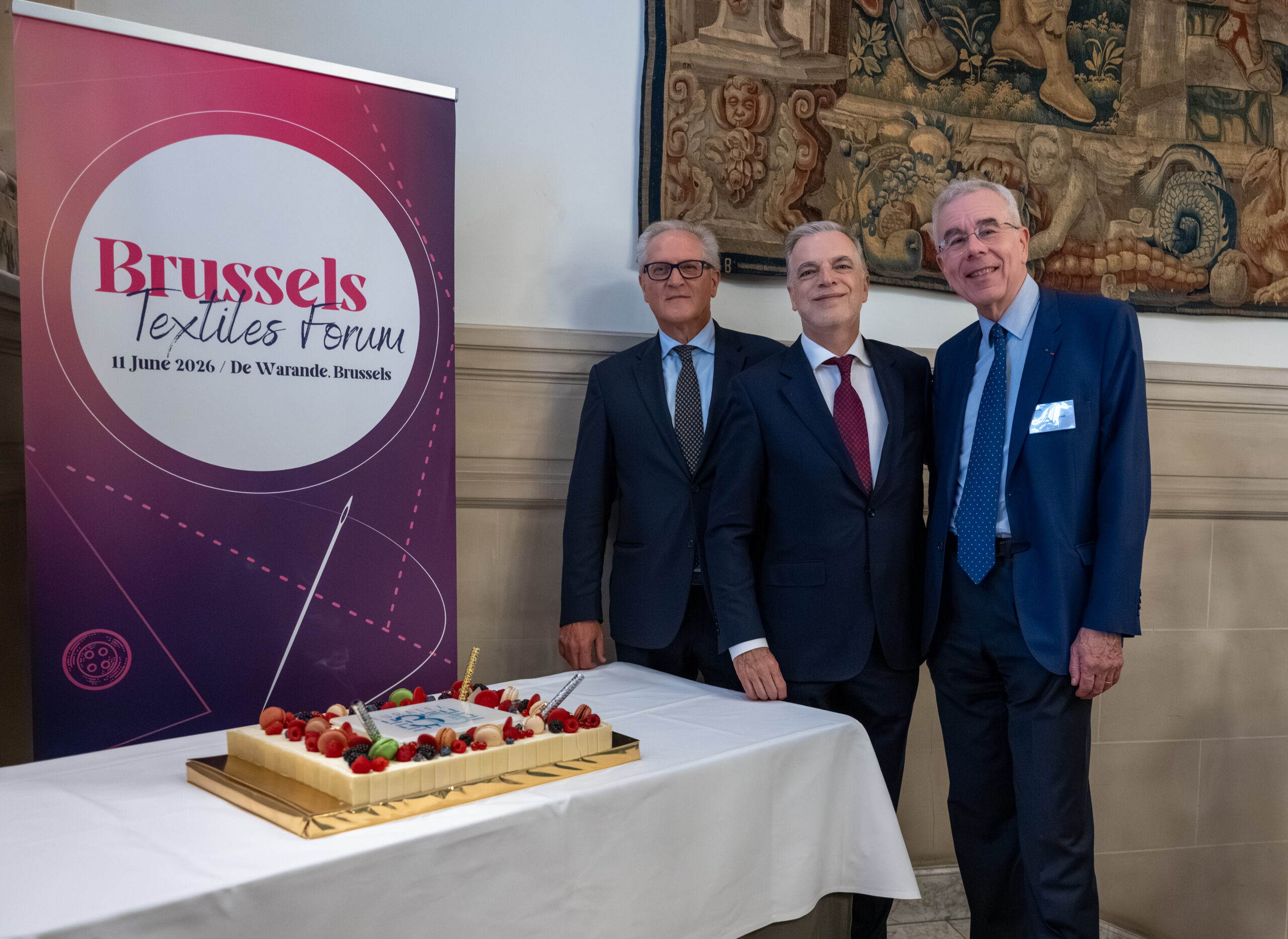
On 11 June, EURATEX hosted the Brussels Textiles Forum 2026, bringing together 150 participants from the European textile and apparel ecosystem, EU institutions, industry, social partners and consumer organisations. Sponsored by Indorama Ventures, the event provided a timely platform to discuss the challenges and opportunities shaping the future of the sector.
The Forum took place at a defining moment for Europe’s textile and clothing industry. High energy prices, global competition, regulatory pressure, e-commerce imports, sustainability requirements and geopolitical uncertainty are all reshaping the conditions under which European companies operate. Throughout the day, speakers and participants reflected on how Europe can support a textile industry that remains competitive, innovative and resilient while leading the transition towards sustainability and circularity.
Opening the Forum, EURATEX President Mário Jorge Machado underlined that Europe does not have a textile problem, but a competitiveness problem. His message set the tone for the day: European textile companies are ready to invest, innovate and decarbonise, but they need fair rules, affordable energy, effective enforcement and industrial conditions that allow production to remain in Europe.
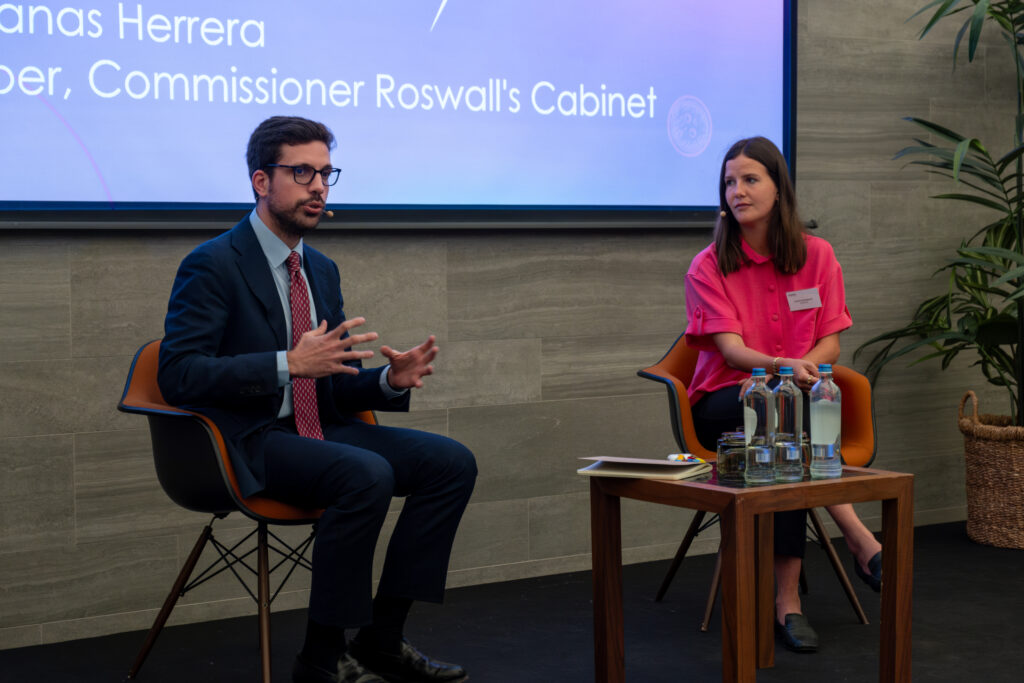
The morning sessions focused on the competitiveness of the European Union and the future of the textile and clothing industry. Speakers highlighted the importance of reducing red tape, strengthening the Single Market, scaling innovation, improving access to investment and ensuring that European rules apply equally to all products placed on the EU market. The debate also confirmed the strategic role of textiles beyond fashion, including in healthcare, construction, transport, agriculture and defence.
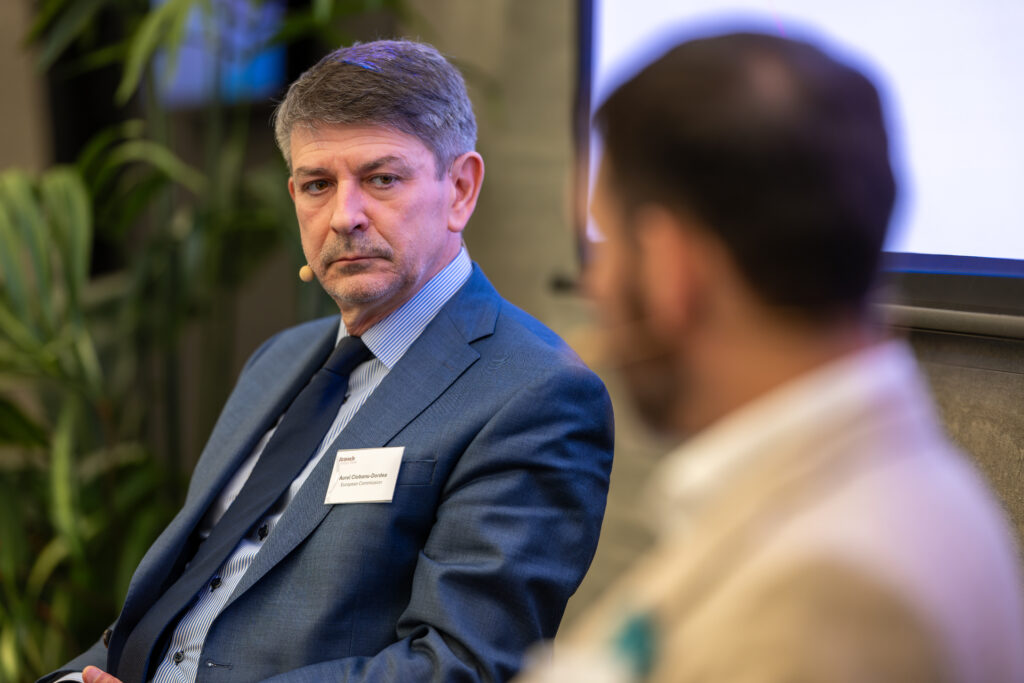
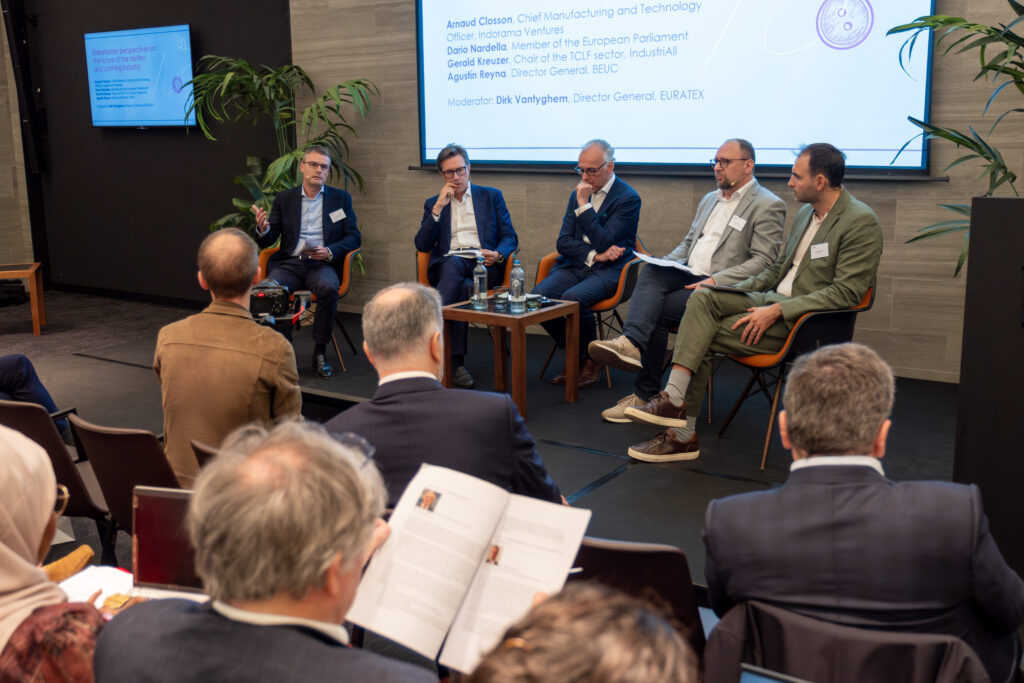
A stakeholder panel brought together perspectives from industry, the European Parliament, trade unions and consumer organisations. Discussions addressed the need to make circularity economically viable, support investment, use public procurement strategically, retain skills and industrial expertise, and strengthen consumer trust. The panel confirmed that the future of textiles requires cooperation across the full value chain and a stronger alignment between competitiveness, sustainability and social responsibility.
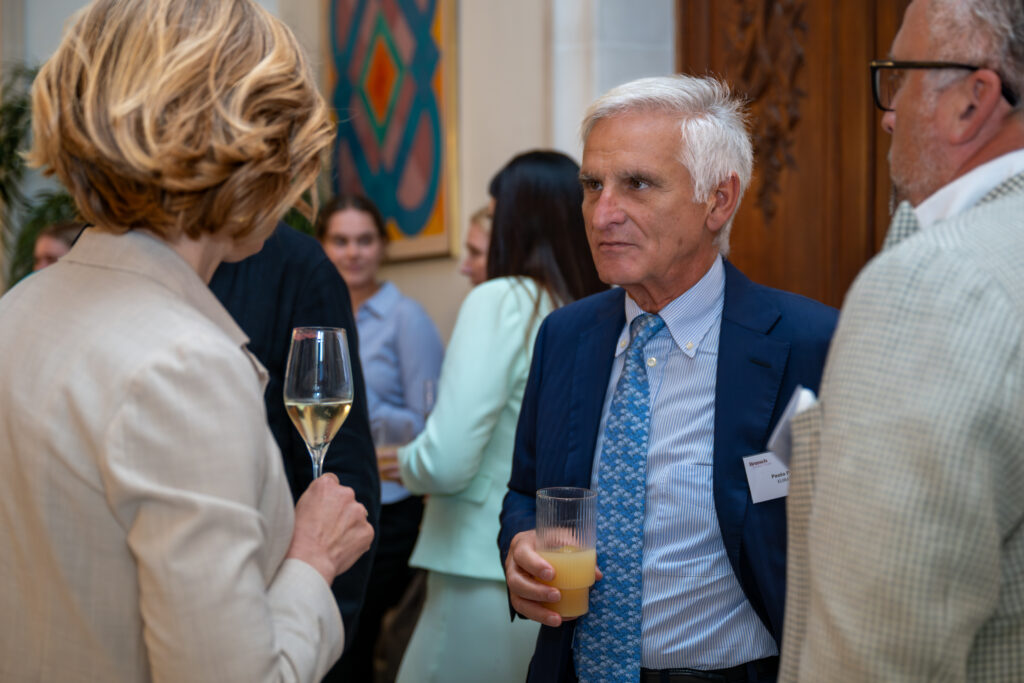
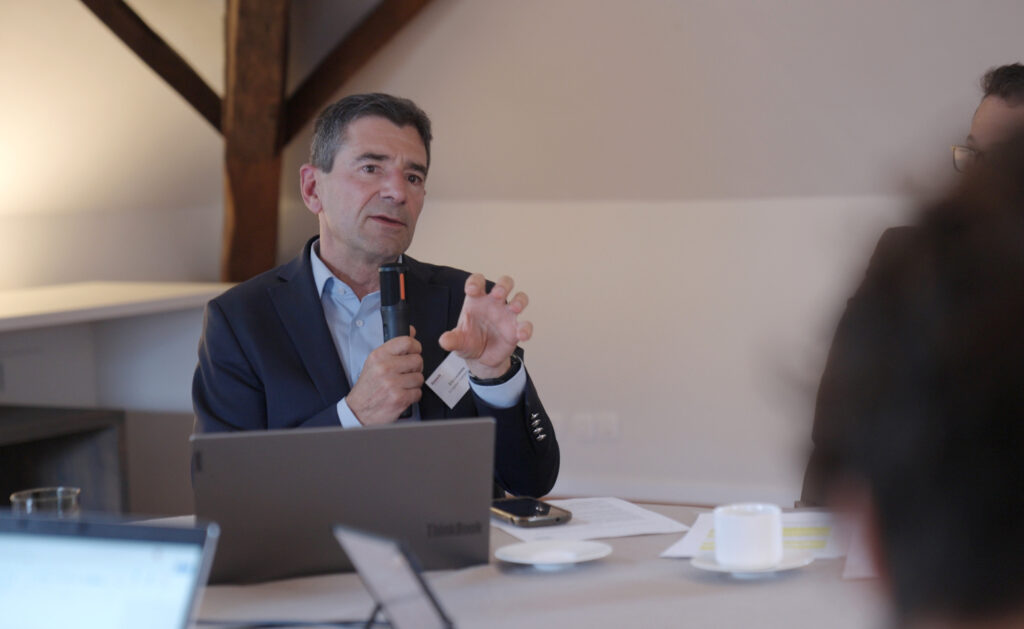
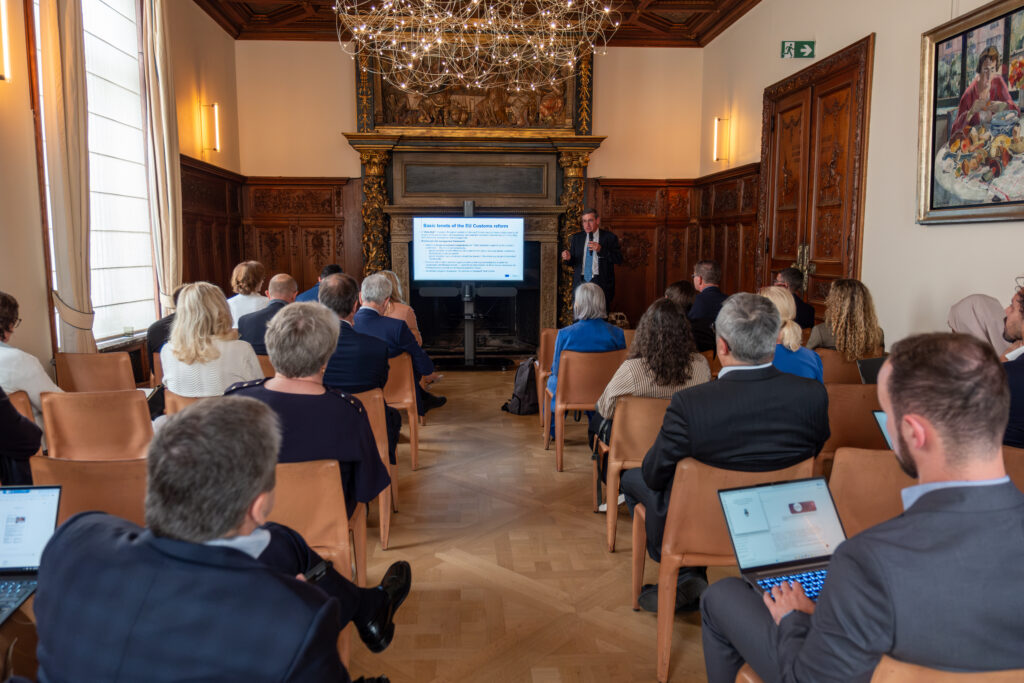

In the afternoon, participants joined dedicated sessions on the policy files that will shape the sector in the coming years. Discussions covered eco-design and the Digital Product Passport, customs reform and e-commerce imports, energy and decarbonisation, trade diversification, textile waste and the Circular Economy Act, and the future European Product Act. Across the sessions, one message was clear: sustainability, competitiveness and enforcement must go hand in hand.
The Forum also highlighted the need for a stronger and more coherent European approach. Circularity will only scale if secondary materials become economically viable, customs and market surveillance systems are strengthened, energy remains affordable, and companies receive the right conditions to invest in Europe. Participants also stressed the importance of avoiding fragmented rules across Member States and ensuring that the Single Market remains a driver of competitiveness.
The day concluded with EURATEX’s 30th anniversary celebration, offering a moment to look back at three decades of cooperation, advocacy and representation for the European textile and apparel industry. Speeches from honorary presidents recalled the origins of EURATEX and its role in building a united voice for the sector in Brussels.
The anniversary also carried a strong message of unity in adversity. Over the past 30 years, the industry has faced repeated crises, from globalisation and supply chain disruptions to energy shocks, unfair competition and an increasingly complex regulatory environment. Yet the celebration showed that the strength of the European textile community lies in its capacity to adapt, cooperate and speak with one voice.
The Brussels Textiles Forum 2026 showed that the European textile and apparel industry is actively engaging in the transition, proposing solutions and building alliances. The message from Brussels was clear: Europe needs a competitive, innovative and resilient textile industry, and the right conditions must be created for it to stay, invest and grow in Europe.