

EURATEX calls for full suspension of the AR for packaging EPR.
Picture at shutterstock
Picture at shutterstock

Brussels, 10 November 2026. The European textile industry supports the EU’s climate neutrality goals but warns that the revision of the EU Emissions Trading System (ETS) must reflect industrial realities. In its updated position paper, EURATEX outlines five priorities to ensure that decarbonisation strengthens, rather than undermines, European manufacturing. Europe’s textile industry faces growing pressure…
Read more

Brussels, 9 October 2026 – EURATEX has joined 43 other European industry organisations in calling for stronger EU trade defence measures to protect European manufacturing, safeguard jobs and ensure fair competition in the Single Market. In a joint statement, the 44 organisations urge EU Member States and the European Commission to take decisive action against…
Read more

Brussels, 6 October 2026 – EURATEX has submitted its contribution to the European Commission’s public consultation on the future European Partnerships under Horizon Europe 2028–2034, calling for the continuation of a dedicated European research and innovation partnership for the textile and clothing industry. As the European Commission prepares the next EU research and innovation framework,…
Read more
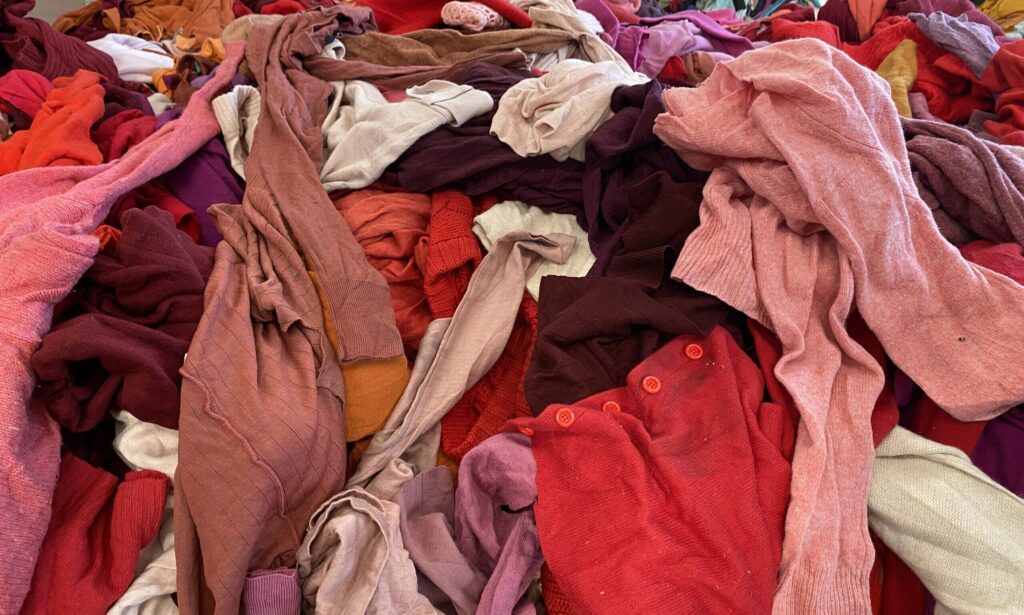
EURATEX has joined a broad coalition of European industry organisations calling on the upcoming Circular Economy Act to establish a stronger and more harmonised EU framework for Extended Producer Responsibility (EPR). In a joint position paper, the signatories underline that the Circular Economy Act should help Europe move from fragmented national waste management systems towards…
Read more

EURATEX supports the objective of reducing PFAS emissions and accelerating the transition towards safer and more sustainable alternatives. The European textile and apparel industry has already made significant progress in reducing PFAS use and continues to invest in substitution wherever technically feasible. However, an effective EU PFAS restriction for textiles must also be measurable, enforceable…
Read more
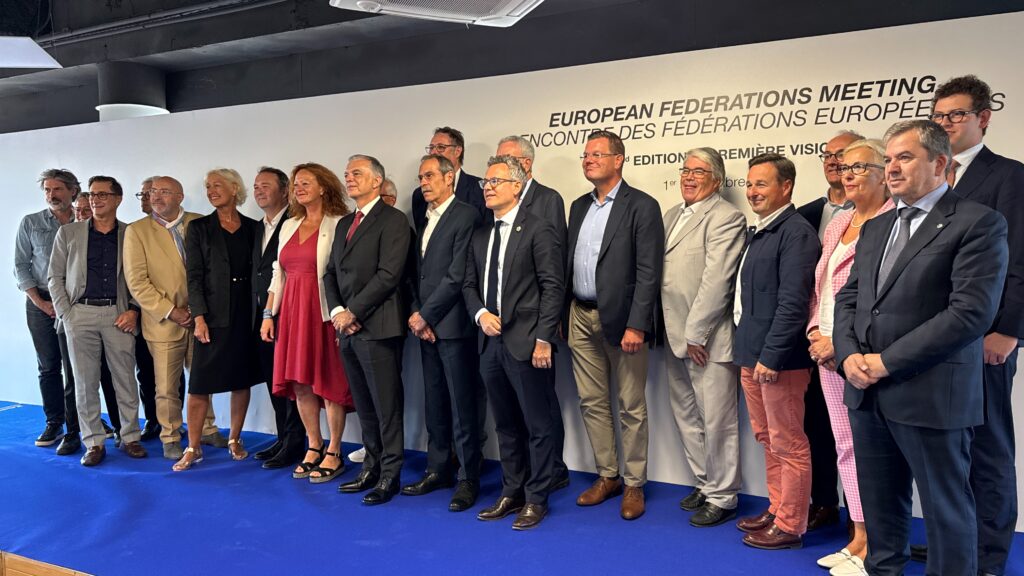
Paris, 01/09/2026 – The introduction of the €3 customs duty on low-value imports marks an important milestone in Europe’s efforts to address the challenges created by the rapid growth of ultra-fast-fashion imports. Together with the abolition of the €150 customs duty exemption, it demonstrates that policymakers are willing to act when market distortions become impossible…
Read more
The European textile and apparel industry supports the EU’s climate objectives and recognises the role of the Emissions Trading System in reducing industrial emissions. However, the system must reward companies investing in decarbonisation rather than weaken their capacity to manufacture and compete in Europe. EURATEX represents more than 200,000 companies and 1.2 million workers. The…
Read more

Brussels, 8 June 2026 – The revision of the Waste Framework Directive is a key opportunity to establish a coherent EU framework for textile circularity. In its position paper, EURATEX calls for textile Extended Producer Responsibility to be implemented in a coordinated and as harmonised as possible manner across Member States. A fragmented approach to…
Read more
Brussels, 29 May 2026 – Energy prices have become a decisive factor for the competitiveness of the European textile and apparel industry. In its position paper, EURATEX warns that high and volatile energy costs continue to place European manufacturers at a structural disadvantage compared with competitors in other regions. The textile sector represents over 200,000…
Read more